
Views: 0 Author: Site Editor Publish Time: 2026-08-23 Origin: Site


The pharmaceutical packaging sector is aggressively transitioning from traditional glass and basic extrusion blow molding (EBM) to highly engineered polymers. Facilities face mounting pressure to modernize their container portfolios. Regulatory bodies continually demand stricter contamination controls. For decision-makers evaluating packaging line upgrades or contract manufacturing partners, Injection Stretch Blow Molding (ISBM) represents a critical pathway. It delivers glass-like clarity, precise neck dimensions, and shatterproof durability. Adopting Pharmaceutical ISBM requires balancing high initial tooling investments against long-term operational gains. We will explore how this technology drastically reduces packaging defects. You will also learn about its role in GMP compliance and superior seal integrity for high-value medical liquids and solid doses.
Precision Sealing: ISBM’s injection-molded preform phase guarantees exact neck finishes, crucial for tamper-evident (TE) and child-resistant (CR) closures.
Contamination Control: 1-step ISBM systems minimize handling, making them ideal for ISO-certified cleanroom environments and sterile clinical fluids.
Material Versatility: Engineered for medical-grade PET, PP, and COP, offering tailored barriers against moisture, oxygen, and UV light.
ROI Timeline: While tooling costs exceed EBM, the reduction in secondary packaging requirements and product loss (breakage) justifies the CapEx for high-volume or high-value drugs.
Modern clinical fluids demand strict packaging requirements. Healthcare professionals need high clarity for the visual inspection of particulates. Containers must also offer exceptional drop-impact resistance. Hospitals cannot risk dangerous spills during emergency fluid administration. Biaxial orientation of PET provides structural rigidity. It completely removes the heavy weight of traditional materials. Manufacturers avoid the breakage risks common in Type I/II glass. You achieve a clear, durable vessel. This protects life-saving intravenous solutions during complex logistical transit.
Liquid pediatric syrups and oral suspensions require absolute leak prevention during transport. They also need precise dosing compatibility. Traditional blow molding often creates uneven bottle necks. These uneven surfaces cause microscopic leaks. Injection-molded threads ensure zero dimensional drift. The machine forms the neck before blowing the bottle body. This rigid process eliminates weeping entirely. It also stops cap back-off during prolonged storage. Consumers experience reliable, mess-free dosing every time.
Sensitive pills and capsules degrade quickly upon moisture exposure. Packaging engineers prioritize Moisture Vapor Transmission Rate (MVTR) control. Fluctuating temperatures during global shipping easily ruin unprotected solid doses. Pharmaceutical ISBM solves this challenge effectively. Consistent wall thickness distribution prevents thin spots. Moisture ingress typically occurs at these weak structural points. A perfectly uniform bottle wall acts as a robust barrier. It extends the shelf life of expensive oral medications significantly.
Regulatory agencies mandate strictly controlled environments for primary medicine containers. Engineers design modern ISBM machines specifically for ISO Class 7 and Class 8 cleanrooms. The equipment features fully enclosed molding areas. This isolates the plastic resin from external air currents. Advanced exhaust management removes generated heat instantly. Builders use non-particulating components throughout the machine assembly. Operators easily maintain strict hygiene protocols. They minimize airborne contamination risks before the bottles even exit the molding chamber.
Drug-container interaction remains a major concern for regulatory bodies. Unstable plastics often release harmful compounds into liquid medications. Manufacturers must mitigate these risks through controlled thermal processing. ISBM utilizes precise temperature profiling. The system heats the polymer just enough to stretch it. It prevents polymer degradation entirely. Degraded plastics directly lead to dangerous leachable compounds. You ensure maximum patient safety through this tightly controlled thermal conditioning.
Manual quality checks slow down high-speed production lines. Human error also allows defective containers to reach patients. Facilities now evaluate and install inline visual inspection systems. High-speed cameras scan every single bottle. They instantly detect flash, black spots, and wall thickness variance. The system rejects flawed units automatically. It performs these critical checks before the container ever leaves the sterile zone. You guarantee a flawless batch release.
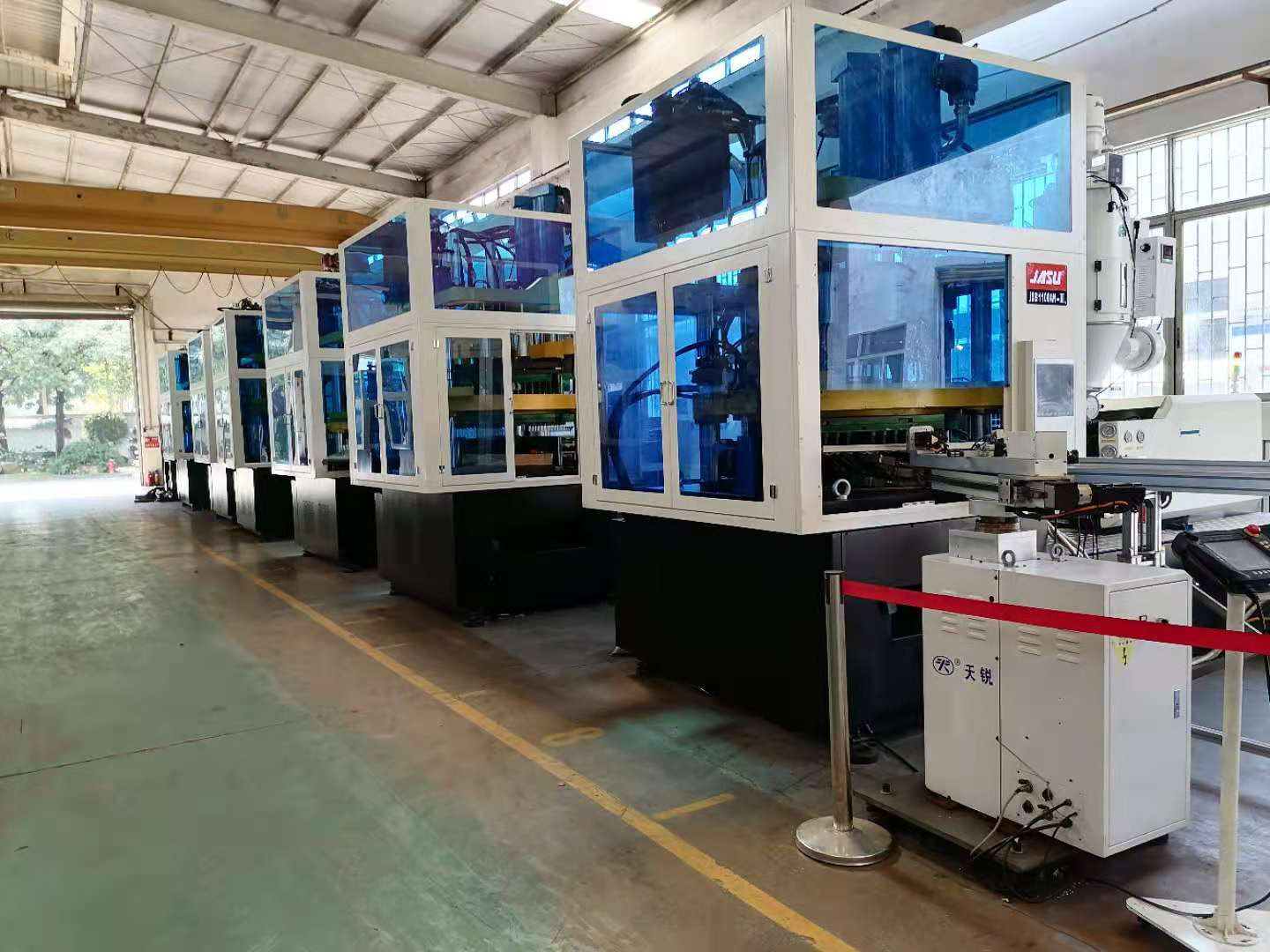
Table 1: Comparing ISBM Architectures for Pharmaceutical Manufacturing
Process Type | Contamination Risk | Production Speed | Ideal Application Scenarios |
|---|---|---|---|
1-Step ISBM | Extremely Low | Moderate | Orphan drugs, clinical trials, sterile fluids |
2-Step ISBM | Moderate to High | Very High | OTC syrups, generic solid doses, mass market |
The 1-step process transforms raw plastic resin directly into a finished bottle. It happens entirely within a single machine footprint. You experience zero intermediate storage of preforms. This continuous flow drastically reduces bioburden and contamination risk. It serves as the gold standard for specialized, lower-volume runs. Orphan drugs and specialized clinical trials benefit immensely from this sterile methodology. However, operators must account for slower overall cycle times compared to alternative methods. The heating and cooling phases happen sequentially inside one unit.
The 2-step process decouples preform manufacturing from the final bottle blowing. One machine injects millions of preforms. Another machine stretches and blows them later. You gain massive scalability for OTC medications. High-volume generic syrups rely heavily on this high-speed output. Despite the speed, the process introduces handling risks. It requires stringent storage protocols. Facilities must implement rigorous handling procedures for preforms. They must maintain GMP compliance carefully before the blowing phase begins. Failing to protect stored preforms invites costly contamination.
Choosing the correct architecture shapes your operational future. Consider these specific factors carefully:
Floor Space: Assess your available cleanroom footprint. Single-step machines utilize less total space.
Cleanroom Classification: Determine your exact ISO requirements. Sterile injectable fluids usually demand a continuous 1-step system.
Batch-Size Variability: Analyze your SKU transition frequency. Highly variable batch sizes favor flexible machine setups.
Map this choice directly to your facility’s unique capabilities.
Qualifying new packaging equipment demands extensive documentation. You cannot simply plug in a machine and start producing medical bottles. Acknowledging the strict regulatory requirements remains crucial. Teams must complete Installation Qualification (IQ) first. They move into Operational Qualification (OQ) next. Finally, they execute Performance Qualification (PQ). Qualifying a new Pharmaceutical ISBM mold for FDA or EMA-compliant packaging takes months. You must allocate sufficient time and engineering resources. Rushing validation inevitably leads to costly audit failures.
Switching packaging technologies requires a transparent assessment of mold costs. ISBM tooling is highly engineered and complex. It features intricate hot runner systems and precise neck rings. You should expect longer lead times. Initial upfront investments sit noticeably higher compared to basic EBM setups. Managers must plan procurement cycles carefully. Early budgetary approvals prevent unexpected project delays. The superior bottle quality eventually justifies this initial capital expenditure.
Advanced drug formulations often require specialized plastics. Standard packaging PET sometimes fails to protect complex biologics. Engineers turn to medical-grade resins like Cyclic Olefin Polymers (COP). You must navigate tight supply chain availability for these premium resins. COP behaves very differently under stretch-blow parameters than normal PET. It requires exact temperature controls to stretch without tearing. Procurement teams must secure reliable resin suppliers early in the project phase.
Modern equipment demands skilled technicians. The shift from EBM to ISBM requires serious staff upskilling. Operators can no longer rely on simple mechanical trimming. They must understand complex thermal conditioning. They need deep knowledge of biaxial stretch ratios. Even minor temperature fluctuations ruin the final bottle structure. Facilities must invest in comprehensive vendor-led training programs. Empowered operators identify subtle processing flaws immediately. They prevent massive amounts of wasted material.
Selecting the right machinery partner determines project success. Look for vendors possessing verifiable experience in Medical and Pharma Factory Acceptance Testing (FAT). Standard beverage bottle FAT protocols fall short of medical requirements. Assess the vendor's documentation standards closely. They must provide comprehensive data for regulatory submissions. Their manuals directly support your Drug Master Files (DMF). A knowledgeable vendor accelerates your entire market-entry timeline. They anticipate regulatory hurdles before they happen.
Every facility balances speed against adaptability. Prioritize quick mold-changeover technologies if your facility handles multiple SKUs. A contract manufacturer might switch from a 30ml eye dropper to a 500ml syrup bottle weekly. Cumbersome mold changes destroy production efficiency. Request detailed changeover timing data from the vendor. Evaluate how many specialized tools the operators need. Quick-change systems maximize your operational uptime significantly.
Avoid rushing into heavy capital commitments blindly. Require concrete data from shortlisted vendors. Request thorough cavitation studies based on your desired output. Ask for comprehensive material compatibility data. You need proof the machine handles your specific medical resin. Order preliminary mold-flow analysis reports. These reports simulate how the plastic fills the neck rings. Analyze these documents collaboratively with your engineering team. This careful vetting prevents expensive structural redesigns later.
Pharmaceutical ISBM provides transformative benefits for modern medicine containers. It is not a blanket solution for all packaging scenarios. However, it stands as the definitive choice when dimensional precision is non-negotiable. It delivers unmatched clarity and absolute barrier integrity. Upgrading to this technology requires careful upfront planning and serious validation efforts.
Your action-oriented next steps include evaluating your specific drug formulations. Cross-reference your product's extractable and leachable (E&L) sensitivities. Match your closure requirements directly with the specific capabilities of a 1-step or 2-step framework. Formulate a detailed engineering brief based on these findings. Initiate vendor RFPs only after securing your internal technical requirements.
A: It guarantees an injection-molded neck finish. This process offers superior dimensional accuracy. EBM relies on mechanically trimmed necks. Trimmed necks often feature microscopic imperfections. ISBM delivers completely flat, smooth sealing surfaces. This ensures leak-proof sealing during rigorous global transport.
A: Yes. The 1-step ISBM process handles COP exceptionally well. Engineers use COP as a premium glass-replacement material for complex biologics. It offers an extremely low extractables profile. It also provides high clarity. Biologic drugs remain pure and stable inside these specialized containers.
A: The 1-step system eliminates preform intermediate storage entirely. It removes the need to transport and reheat cold preforms. The machine keeps the entire melt-to-bottle process within a single footprint. It operates safely inside a highly controlled cleanroom environment. Bioburden exposure drops to near zero.
A: Companies should set realistic expectations. Executing Installation Qualification (IQ), Operational Qualification (OQ), and Performance Qualification (PQ) takes time. The full process often spans several months. The exact timeline depends heavily on the regulatory stringency of your target market and specific drug application.
