
Views: 0 Author: Site Editor Publish Time: 2026-10-05 Origin: Site


Consumers today demand clear and shatterproof packaging that showcases the product inside while ensuring absolute safety. In response, the global packaging sector is experiencing a massive paradigm shift. Market analysts note a rapid transition away from traditional heavy glass toward lightweight polymer alternatives. This shift is driven largely by skyrocketing e-commerce logistics costs and stringent corporate sustainability mandates. Reducing shipping weight directly impacts the bottom line. Consequently, plastic alternatives have become highly attractive. However, manufacturing wide-mouth jars with perfect and leak-proof threads has historically been a tough engineering challenge.
Looking at the current manufacturing landscape, the push for circular economy standards is reshaping equipment requirements. Recent industry data highlights a surge in demand for machines capable of processing high percentages of recycled materials without compromising optical clarity. Furthermore, as direct-to-consumer food brands scale, the need for flawless seal integrity to prevent spoilage during transit has never been more critical. This intersection of sustainability and robust logistics is exactly where modern molding technology proves its worth.
A modern injection stretch blow molding machine solves this bottleneck effectively. By integrating multiple production phases into a single footprint, it eliminates the inconsistencies of older methods. In this comprehensive guide, we will explore how this technology works from the ground up. We will also dive deep into its core benefits, explore its undeniable ROI potential, and provide actionable insights for facility managers upgrading their production lines.
Precision Engineering: The single-stage process guarantees exact neck finishes, which is critical for creating leak-proof seals on wide-mouth jars and cans.
Cost & Energy Efficiency: Modern machines combine injection and blowing into one continuous sequence, drastically reducing energy consumption and minimizing required factory floor space.
Superior Aesthetics: The stretch-blow phase aligns polymer molecules, resulting in glass-like clarity and enhanced physical strength for packaging materials.
High Versatility: A reliable wide-mouth system can seamlessly adapt to different container shapes and sizes, ranging from bulk food storage to premium cosmetic tubs.
To fully grasp the impact of this technology, we must first look at the mechanics. A specialized piece of manufacturing equipment designed specifically to produce hollow plastic containers with large neck openings operates quite differently from legacy systems. Unlike traditional extrusion blow molding which extrudes a continuous and often messy tube of plastic, or standard two-stage systems that require pre-made preforms to be cooled and reheated, modern technology operates on a highly efficient one-step process.
Specifically, this method integrates three primary functions into one continuous cycle on a single machine. Picture a bustling factory floor where raw resin pellets are fed into a hopper, melted down, and instantly transformed into finished goods without ever leaving the internal transfer system of the machine.
Injection: The cycle begins by melting the plastic resin and injecting it into a highly precise preform mold. This stage is crucial because it forms the threaded neck of the jar with exact injection-molded tolerances, ensuring the final lid will fit flawlessly.
Conditioning & Stretching: While still retaining its core thermal energy from the injection phase, the preform is seamlessly transferred to the blow station. Here, a mechanical core rod stretches the hot plastic longitudinally. Simultaneously, high-pressure air is introduced to blow the material outward against the cavity walls, perfectly shaping the wide-mouth body.
Ejection: The newly formed container is briefly cooled within the mold before being automatically ejected. Because the jar is handled entirely by automated grippers, it emerges completely scuff-free and ready for immediate palletizing.
Producing containers with neck sizes exceeding 50mm presents unique manufacturing hurdles. Two-stage systems often struggle to evenly heat wide preforms in infrared ovens, leading to inconsistent wall thickness and structural weak points. Consequently, the single-stage method is considered the gold standard for wide-mouth production. By utilizing a state-of-the-art PET Jar Making Machine, operators maintain absolute control over the temperature profile of the plastic, ensuring uniform material distribution even across exceptionally large diameters.
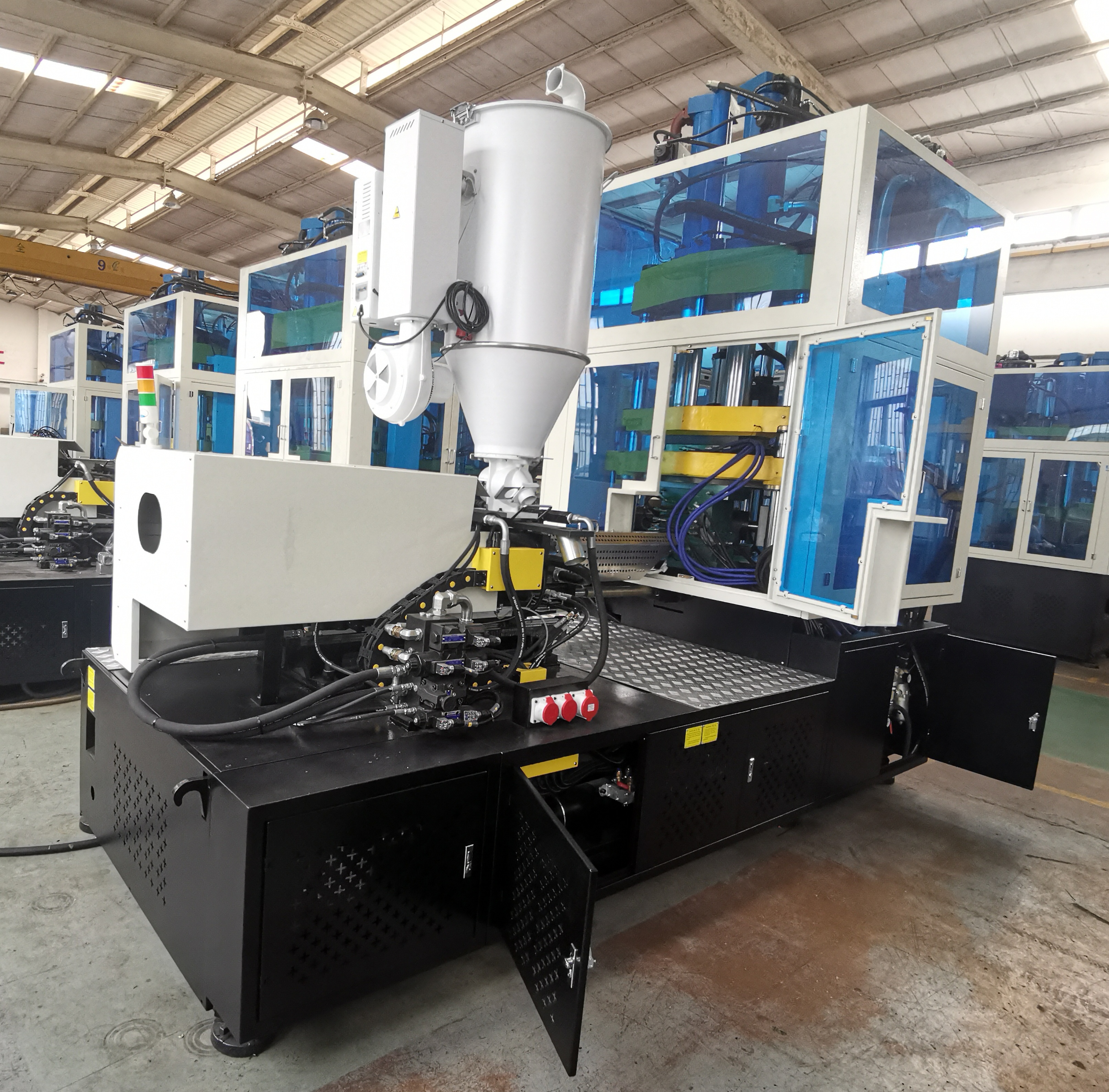
Investing in specialized equipment for wide-mouth containers yields several measurable advantages for packaging manufacturers. Facilities can immediately address common quality control issues while elevating the final product's market appeal.
The most critical component of any jar or can is its seal. Imagine a consumer twisting the lid off a premium peanut butter jar; that smooth and effortless seal is the direct result of precision injection molding. Because the neck of the container is formed during the initial high-pressure injection phase, the threads are molded with absolute mathematical precision. This eliminates the pinch-off marks and irregularities commonly associated with older extrusion methods. For food and pharmaceutical brands, this exactness guarantees a flawless fit with screw-on or snap-on closures, preventing oxygen ingress and extending the product's shelf life.
Beyond functional seals, consumer preference heavily leans toward packaging that allows them to see the actual product. During the stretch-blow phase, the PET material undergoes biaxial orientation. This means the polymer chains are stretched both vertically and horizontally. This molecular alignment completely eliminates haziness, granting the plastic jars a premium and glass-like clarity that significantly enhances retail shelf appeal.
Furthermore, the same biaxial orientation that improves optical clarity fundamentally alters the mechanical properties of the plastic. The stretching process exponentially increases the tensile strength, barrier properties, and drop-impact resistance of the container. As a result, manufacturers can produce shatterproof jars that are inherently safer for consumers and substantially cheaper to transport than fragile glass alternatives.
For plant managers and production engineers, equipment selection is ultimately driven by operational efficiency. Integrating a high-performance Food Container ISBM Machine into your facility is engineered to eliminate legacy bottlenecks and slash overhead costs.
Traditional two-stage manufacturing requires one machine to inject the preforms and an entirely separate machine to blow them into jars. This outdated method necessitates massive warehouse space for preform inventory, forklifts to transport them, and the constant risk of preforms getting scratched during transit. A single-stage machine eliminates these steps entirely. Raw resin enters one side, and finished pristine jars exit the other, streamlining the entire supply chain and reducing reliance on manual labor.
Reheating cold preforms in a two-stage process requires energy-intensive infrared ovens that constantly draw massive amounts of electricity. In contrast, modern single-stage machines bypass this requirement by utilizing the residual heat retained from the initial injection phase to facilitate the blowing phase. This thermal efficiency dramatically reduces overall electrical consumption per unit produced.
Advancements in machine engineering have significantly reduced cycle times. Today's equipment features optimized cooling channels within the molds and rapid transfer mechanisms. When combined with multi-cavity tooling, a single machine can achieve continuous high-volume production, yielding thousands of defect-free jars per hour with minimal human intervention.
A primary advantage of upgrading your production floor is adaptability. By simply changing the mold tooling, manufacturers can pivot production to serve entirely different market sectors. Investing in a versatile Wide Mouth Jar Machine allows packaging suppliers to diversify their client base seamlessly.
Industry Sector | Common Product Applications | Key Packaging Requirements |
|---|---|---|
Food & Beverage | Peanut butter, honey, mayonnaise, mixed nuts, candies, dry snacks | High clarity, FDA-compliant materials, airtight seal to prevent oxidation. |
Cosmetics & Personal Care | Face creams, body scrubs, hair masks, bath salts, lotions | Premium glass-like aesthetics, scuff-free surface, chemical resistance. |
Pharmaceuticals | Protein powder tubs, vitamin gummies, bulk pill jars, nutraceuticals | Precise thread tolerances for child-resistant closures, moisture barriers. |
Household Goods | Detergent pods, hardware, craft supplies | High impact resistance, durability, stackable designs. |
This remarkable versatility ensures the equipment remains operational and highly profitable across varying seasonal market demands, shielding manufacturers from niche market downturns.
Purchasing industrial blow molding equipment is a significant capital expenditure. To ensure long-term reliability and operational success, buyers must rigorously evaluate specific technical features before signing a purchase order. As an engineer evaluating the floor layout, here is what you should prioritize.
The required clamping force dictates the size and number of cavities a machine can handle. Buyers must calculate their target annual production volume to determine the appropriate machine size. While a machine with higher tonnage can support molds with more cavities, it will also require a larger initial investment and more factory floor space. Standard models typically offer clamping forces optimized for 2 to 6 cavities for large jars, balancing footprint with output.
Modern manufacturing relies heavily on data and automation. Look for machines equipped with advanced programmable logic controller touch screens. These intuitive systems offer real-time monitoring of temperature zones, injection pressures, and cycle times. Automated fault detection is also critical. If a parameter drifts out of specification, the machine should alert operators immediately, preventing the costly production of defective batches.
In facilities that produce multiple jar sizes, machine downtime translates to a direct loss of revenue. Evaluate the tooling design closely. When a production schedule demands a switch from a small cosmetic tub to a large mayonnaise jar, a machine engineered for quick mold changeovers allows operators to complete the switch in a matter of hours rather than days. Look for standardized mounting plates and accessible cooling line connections.
Traditional hydraulic machines are prone to oil leaks and consume power continuously even while idling. Modern equipment utilizes servo-hydraulic or fully electric drive systems. Servo motors only draw power when movement is actually required, resulting in up to 40 percent energy savings compared to standard hydraulic systems. They also provide superior precision and repeatability during the injection and stretching phases.
From a financial standpoint, evaluating this acquisition involves looking well beyond the initial sticker price. Decision-makers must analyze the total cost of ownership and the long-term return on investment to understand the true value of the equipment.
While single-stage machines often represent a higher initial capital investment compared to basic extrusion blow molders, the operational savings quickly offset the cost difference. The reduction in manual labor, the complete elimination of preform storage costs, and the significant drop in energy consumption contribute to a rapid payback period. Many facilities realize full ROI within 18 to 24 months of full-scale operation.
Because the single-stage process offers exacting control over material distribution and wall thickness, manufacturers can actively engage in lightweighting. This is the highly profitable practice of reducing the amount of plastic resin used per jar without compromising the top-load structural integrity of the container. Shaving just two or three grams of plastic off a container design translates to massive financial savings in raw material costs when extrapolated over millions of units annually.
Owning the entire production process in-house provides a strategic market advantage. When a client requests a new jar design, companies with single-stage machines can test, prototype, and launch the new packaging much faster than competitors who are forced to source custom preforms from third-party suppliers.
The success of your production line depends heavily on the equipment supplier you choose. A sophisticated machine is ultimately only as good as the engineering and support network standing behind it.
Wide-mouth jars often require complex and custom geometries to stand out on crowded retail shelves. Partner with a machine manufacturer that offers robust in-house mold design and flow-simulation testing services. A supplier who deeply understands how their machine interacts with specific mold designs can optimize the tooling for faster cycle times and superior material distribution.
Operating this machinery efficiently requires specialized knowledge. Ensure the manufacturer provides comprehensive on-site installation, rigorous operator training programs, and accessible global technical support. The ability for a technician to troubleshoot software or mechanical issues quickly is vital to maintaining high overall equipment effectiveness.
Even the most rugged machines require routine maintenance and the eventual replacement of wear parts, such as seals, core rods, and heating bands. Before finalizing a purchase, verify that the manufacturer maintains a robust supply chain for spare parts. Prolonged wait times for proprietary components can result in devastating production downtimes.
Upgrading your production line with single-stage technology is a highly strategic decision that pays dividends. This equipment ensures better quality control, drastically lowers operational costs, and delivers unparalleled efficiency for your packaging facility.
In today's highly competitive retail market, optical clarity and thread precision matter greatly to consumers and brands alike. Lightweight and shatterproof plastic jars provide a distinct logistical and aesthetic edge over competitors relying on outdated materials or manufacturing methods. By bringing this technology in-house, packaging suppliers can future-proof their operations, meet sustainability goals, and scale their profitability rapidly. For facilities ready to make this leap, exploring customized solutions from proven manufacturers at JASUI is the ideal next step to securing a competitive advantage.
The fundamental distinction lies in how the material is initially handled. The single-stage process first injects molten plastic into a highly precise steel mold to create a preform with an exact and fully finished neck. This preform is then stretched longitudinally and blown radially, resulting in exceptional structural rigidity, glass-like clarity, and zero scrap material at the base. Conversely, extrusion blow molding extrudes a continuous hollow tube of molten plastic which is then clamped by a mold and blown. This older method leaves a distinct pinch-off mark at the base and generally yields lower precision at the neck finish, making it less suitable for leak-proof wide-mouth applications.
Yes. While Polyethylene Terephthalate remains the industry standard due to its excellent optical clarity and superior barrier properties, modern equipment is highly versatile. Depending on the thermodynamic profile of the machine, these systems can be adapted to process alternative resins such as Polypropylene for hot-fill food applications, or Polycarbonate and Tritan for reusable containers requiring extreme impact resistance and sterilization capabilities.
The maximum neck size capacity is dictated by the clamping tonnage of the machine and the specific layout of the mold. Standard machines are engineered to comfortably accommodate neck finishes ranging from 50mm up to 120mm. However, specialized high-tonnage machines can be custom-tooled to produce jars with neck diameters exceeding 150mm, which are typically used for bulk dry food storage or large industrial packaging.
Minimizing machine downtime during product changeovers is a critical metric for profitability. Contemporary machines are engineered utilizing quick-change principles. They feature standardized mounting plates and centralized quick-connect manifolds. Assuming the facility utilizes a standardized preform neck finish and only changes the blow mold cavities, a trained technician can execute a complete and safe changeover in 2 to 4 hours.
Absolutely. As sustainability mandates tighten globally, modern machines are designed with advanced plasticizing units capable of handling high percentages of recycled PET. The key is maintaining stable melt temperatures and utilizing precise injection controls to prevent the degradation of recycled polymers, ensuring the final jars maintain their clarity and structural integrity.
Routine maintenance focuses on preserving the precision of the injection and blowing mechanisms. Daily checks typically involve inspecting hydraulic or servo motor systems, ensuring cooling water lines are free of scale buildup, and verifying that the core rods and neck rings are clean. Following the scheduled maintenance plan provided by the manufacturer for replacing wear parts like seals and heating bands will guarantee decades of reliable service.
